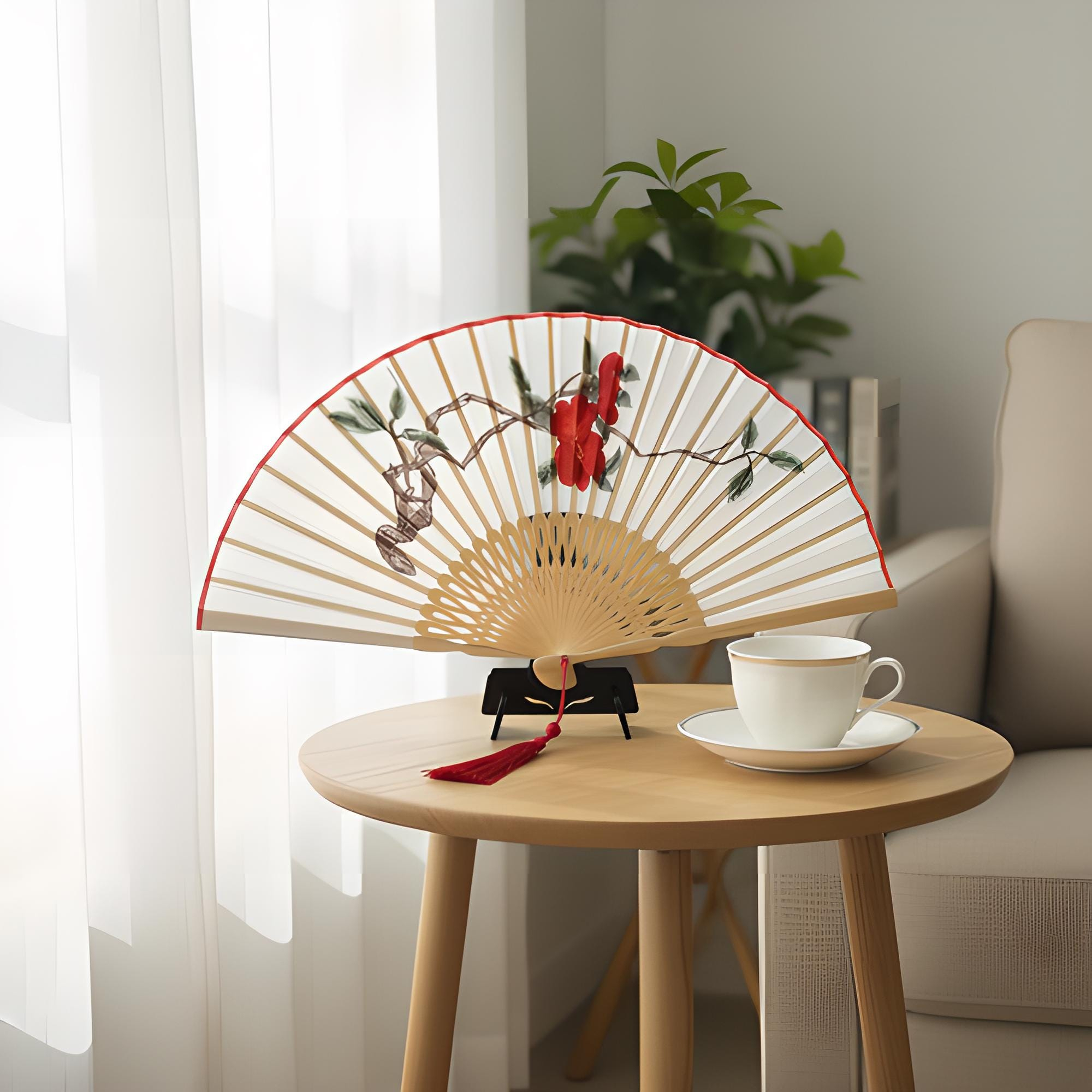
Folding fans have been an integral part of human culture for centuries, serving both practical and artistic purposes. From the elegant silk fans of ancient China to the intricate painted fans of Japan, these objects tell stories of craftsmanship and tradition.
In this article, we explore the evolution of folding fans through history, examining how different cultures have contributed to their development and significance.
The Origins
The earliest folding fans can be traced back to ancient China, where they were initially used by royalty and nobility. These early fans were often made from silk stretched over bamboo ribs, featuring delicate paintings of nature scenes.
Cultural Significance
In Japan, the folding fan became an essential part of traditional dance and theater. The way a fan was opened, closed, or held could convey different meanings and emotions, making it a powerful tool for non-verbal communication.
Modern Revival
Today, folding fans are experiencing a renaissance as both functional accessories and decorative art pieces. Contemporary designers are combining traditional techniques with modern aesthetics, creating fans that appeal to a new generation of enthusiasts.